
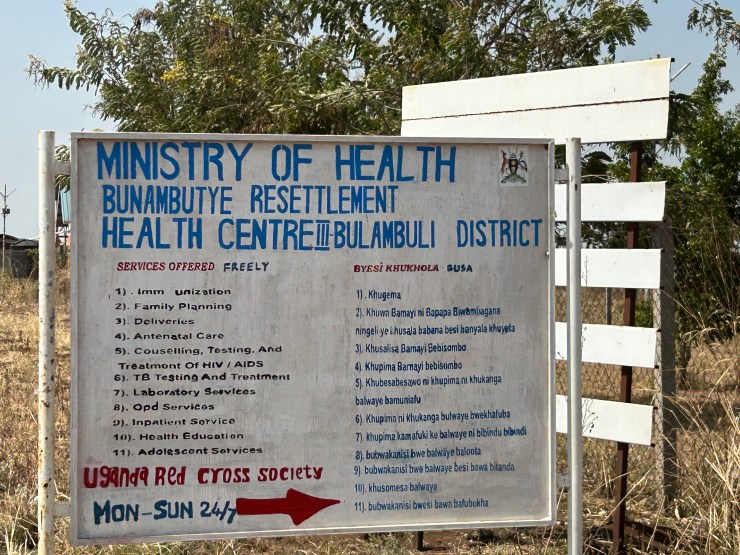
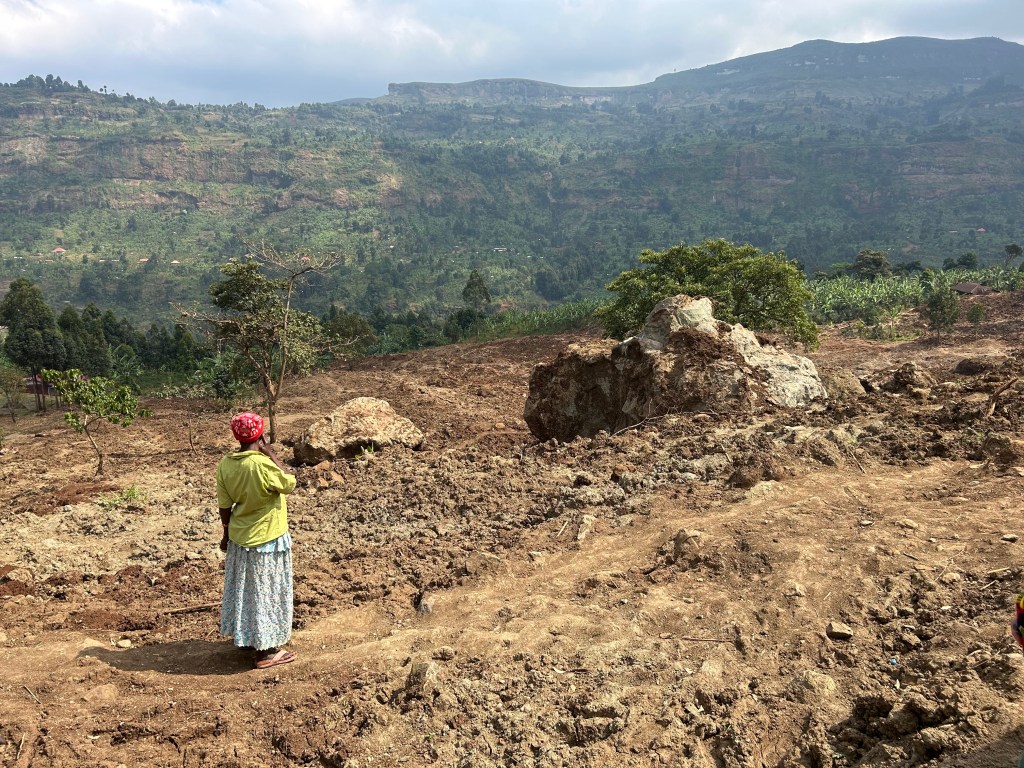
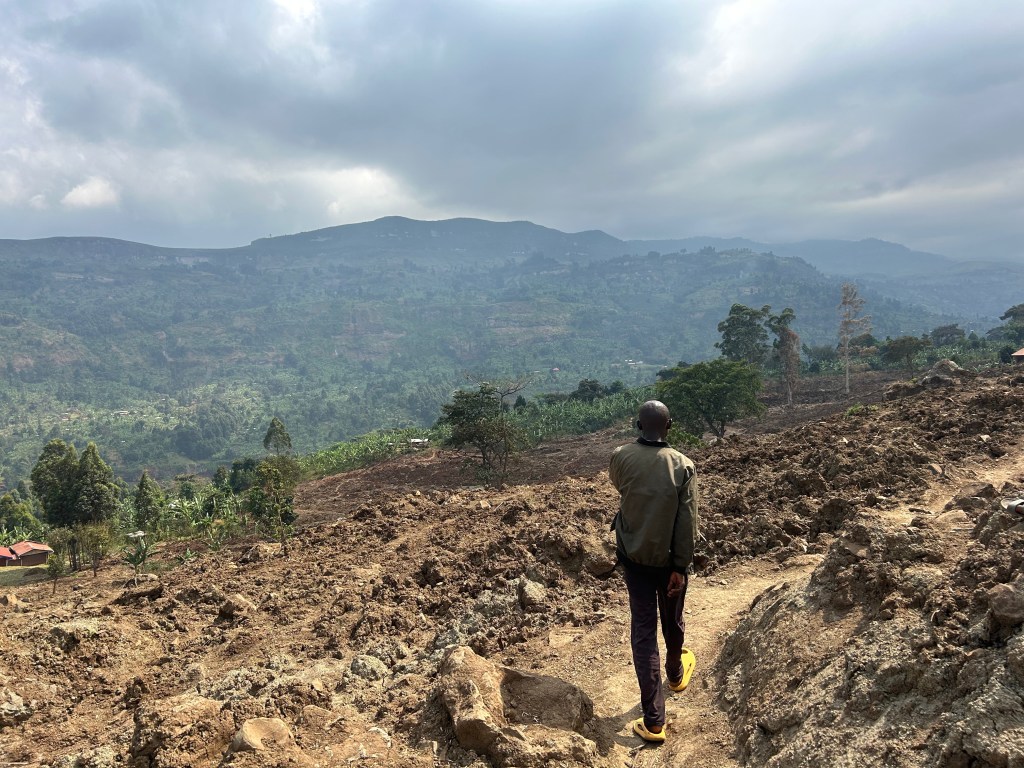
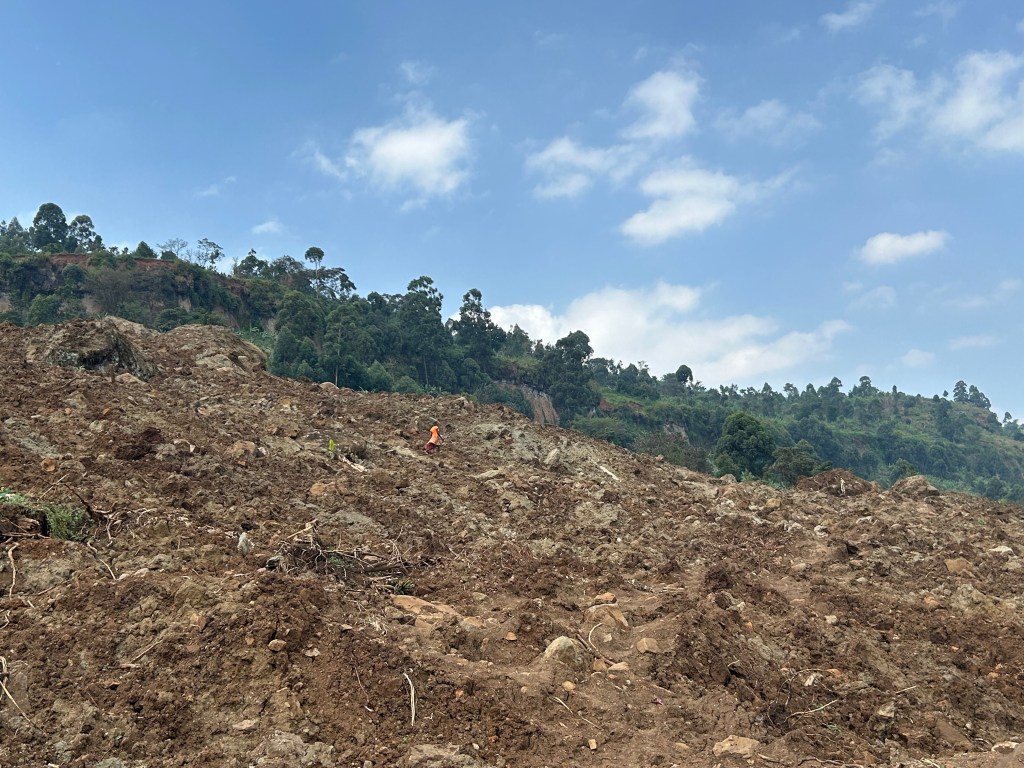
One of the most disturbing places we visited during our Trustee visit to Uganda in January, was when we were taken to the Internally Displaced Persons Camp at Bunambutye. This is home to about 1,500 people who had previously lived as subsistence farmers in the beautiful hills around Mt Elgon, with its fertile soil and lush vegetation until a devastating mudslide in November 2024 wiped out everything in it’s path. We had visited the site of the landslide in January 2025 and had seen the total devastation caused and we knew that many of the families had been temporarily re-housed in the IDP camp, but we were still shocked by the harsh reality of their current situation and we all came away with heavy hearts as there doesn’t appear to be an easy solution to the problem of re-housing these families.
Men and women/children are housed in separate tents which causes a great deal of stress within families and, although the government provide firewood, beans and posho flour, and water pumps have been installed, there is no work or school and the monotony of daily life and diet is overwhelming at times. We were taken on a ‘tour’ of the camp and the heat was intense as there were no trees or vegetation to offer any shade. Most people slept on mats on the ground tarpaulin and there was only 1 latrine block for men and 1 for women.
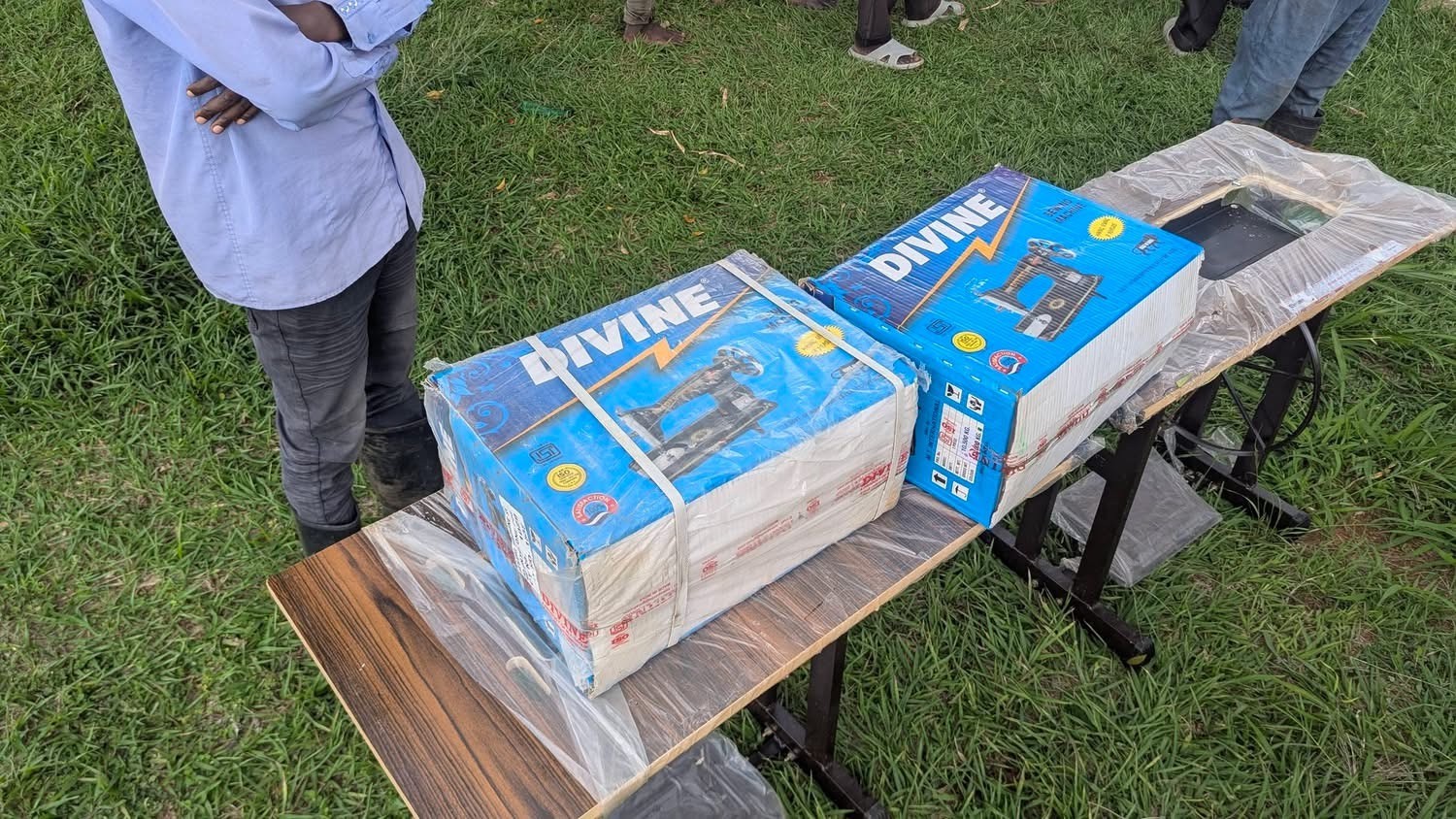
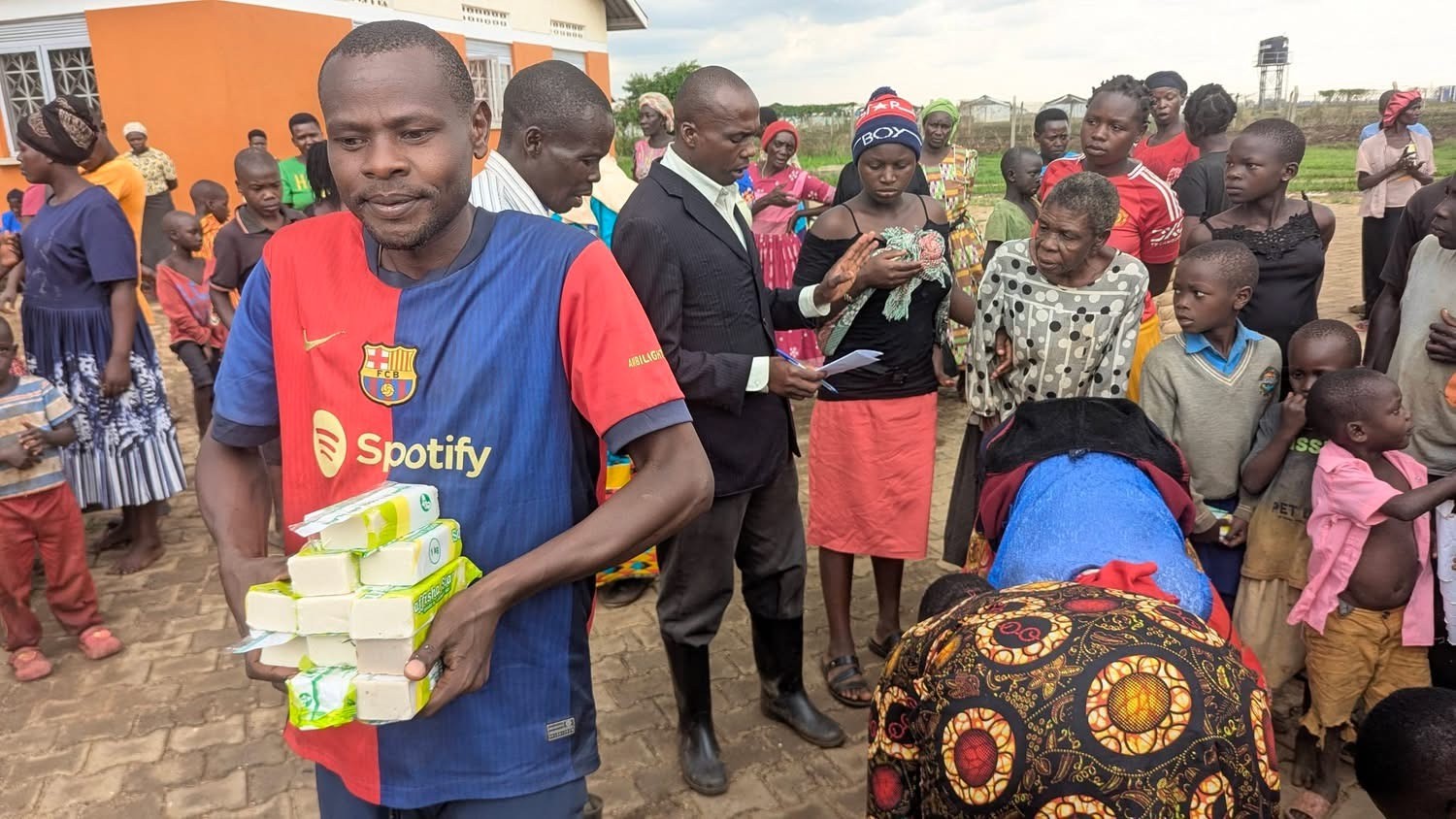
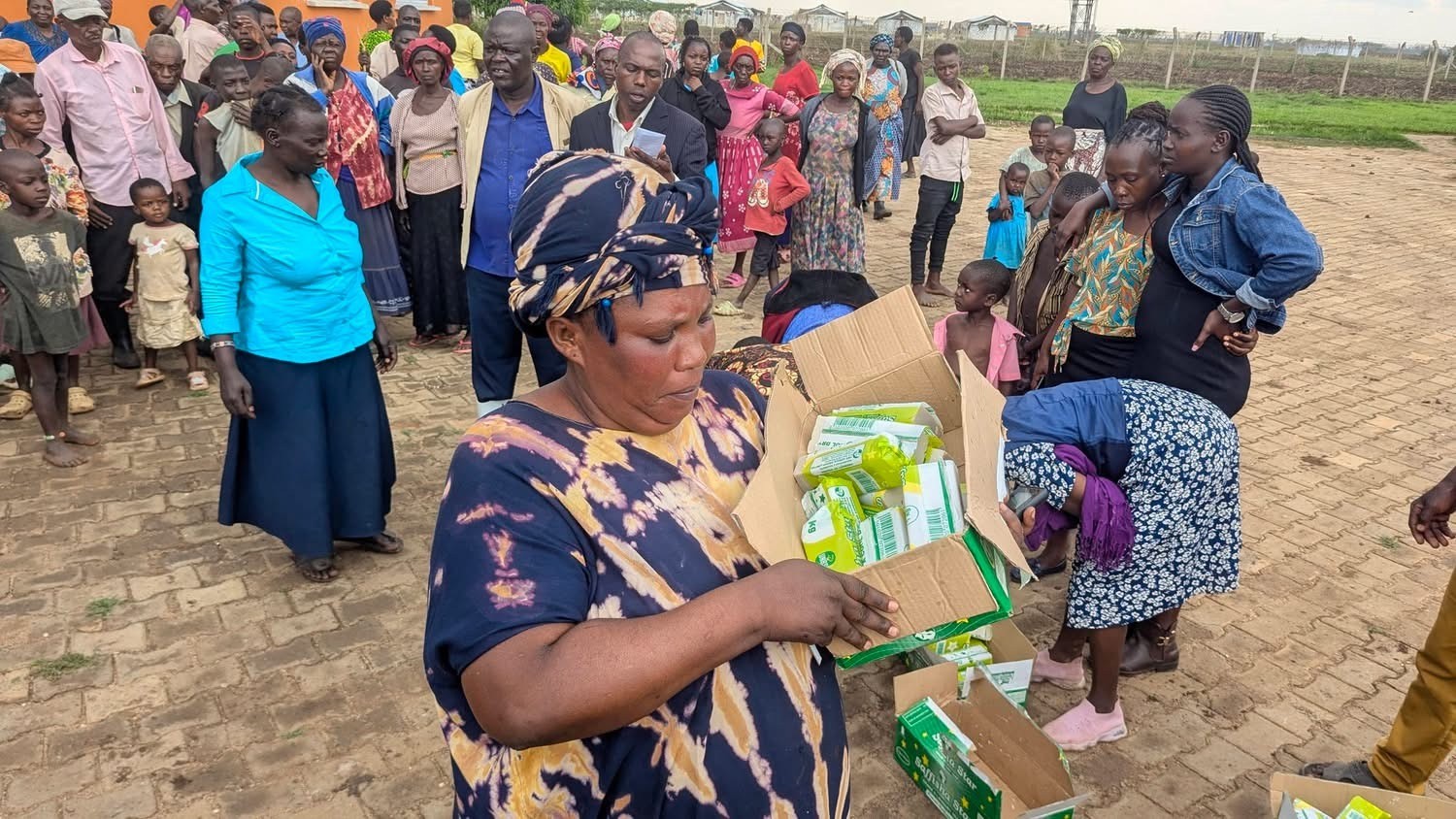
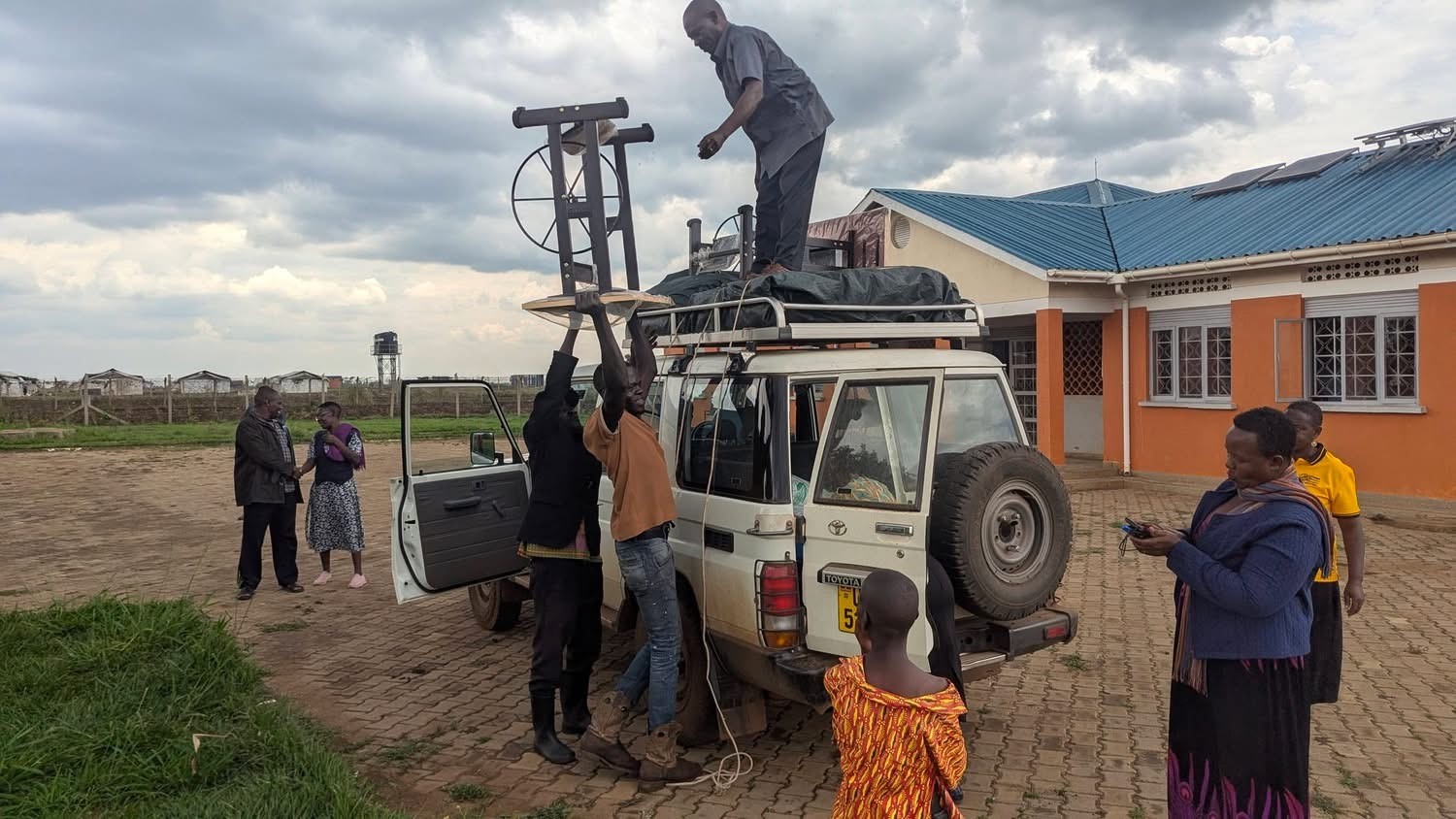
When asked what they needed most, they said: Maize flour, rice, cooking oil, salt, sugar, soap, mattresses, Bibles and footballs! Thanks to the generosity of our supporters, we were able to leave money to buy some of these items, plus a couple of sewing machines as they asked for another one to make re-usable sanitary pads and UWCM have recently sent us photos of them being delivered.
WaterMatters have provided 30 x water filters which will be divided between the tents and UWCM staff will ensure that each tent leader will be taught how to use and maintain the filters. Although there are water pumps at the camp, the water should, ideally, be boiled before drinking and so having filters removes the need for boiling and will help to reduce the amount of water borne diseases and increase their general health.
 Uganda Concern UK